Builder Versus General Contractor: Who to Hire?

A homeowner planning a major renovation or new home often hears both terms used interchangeably. The builder versus general contractor question matters because the person you hire may shape how your plans are priced, permitted, scheduled, and carried through to the final walkthrough.
In many residential projects, one company can serve as both builder and general contractor. The difference is less about a title on a business card and more about the scope of responsibility, experience, and type of work involved. Understanding that distinction helps you ask better questions before signing a contract.
What a Builder Typically Does
A builder is generally associated with constructing a new home or a significant new structure. They may work from a set of house plans, coordinate the site work and foundation, frame the home, and oversee the many stages needed to deliver a finished residence.
Some builders focus on a particular product or process. They may build homes in a subdivision using a limited number of plans, construct custom homes, or specialize in certain types of additions. Their strength is often in the building process itself: turning plans into a complete structure with a defined sequence of work.
For a custom home, a qualified builder may help during early planning by reviewing the lot, discussing constructability, estimating costs, and identifying decisions that will affect the budget. That can be valuable, especially before plans are finalized. A good builder understands that a plan that looks good on paper still has to work on an actual site, within local requirements and a realistic budget.
That said, the word “builder” alone does not tell you exactly what services are included. One builder may manage every subcontractor, permit, inspection, allowance, and change order. Another may primarily handle construction while leaving more coordination to the homeowner or designer. The details should be clear in writing.
What a General Contractor Does
A general contractor is responsible for managing the overall construction project. On a residential remodel, addition, or new build, that usually means coordinating the work of specialized trades, maintaining the schedule, arranging inspections, managing jobsite logistics, and monitoring workmanship as the project moves forward.
A general contractor may self-perform certain work, such as carpentry or demolition, but often relies on licensed and experienced subcontractors for electrical, plumbing, HVAC, roofing, concrete, and other specialized scopes. The contractor's job is not simply to call those trades. It is to make sure the right work happens in the right order and that one trade does not create problems for the next.
For example, a bathroom renovation involves far more than selecting tile and a vanity. Existing conditions must be assessed. Demolition has to be handled carefully. Plumbing and electrical rough-ins must occur before insulation and drywall. Waterproofing must be correctly installed before tile. Fixtures, trim, paint, glass, and final details must then come together without damaging completed work.
That coordination is where a capable general contractor earns their place. When an issue appears behind a wall or a material delivery is delayed, someone needs to evaluate the options, communicate the impact, and keep the work moving responsibly.
Builder Versus General Contractor: The Practical Difference
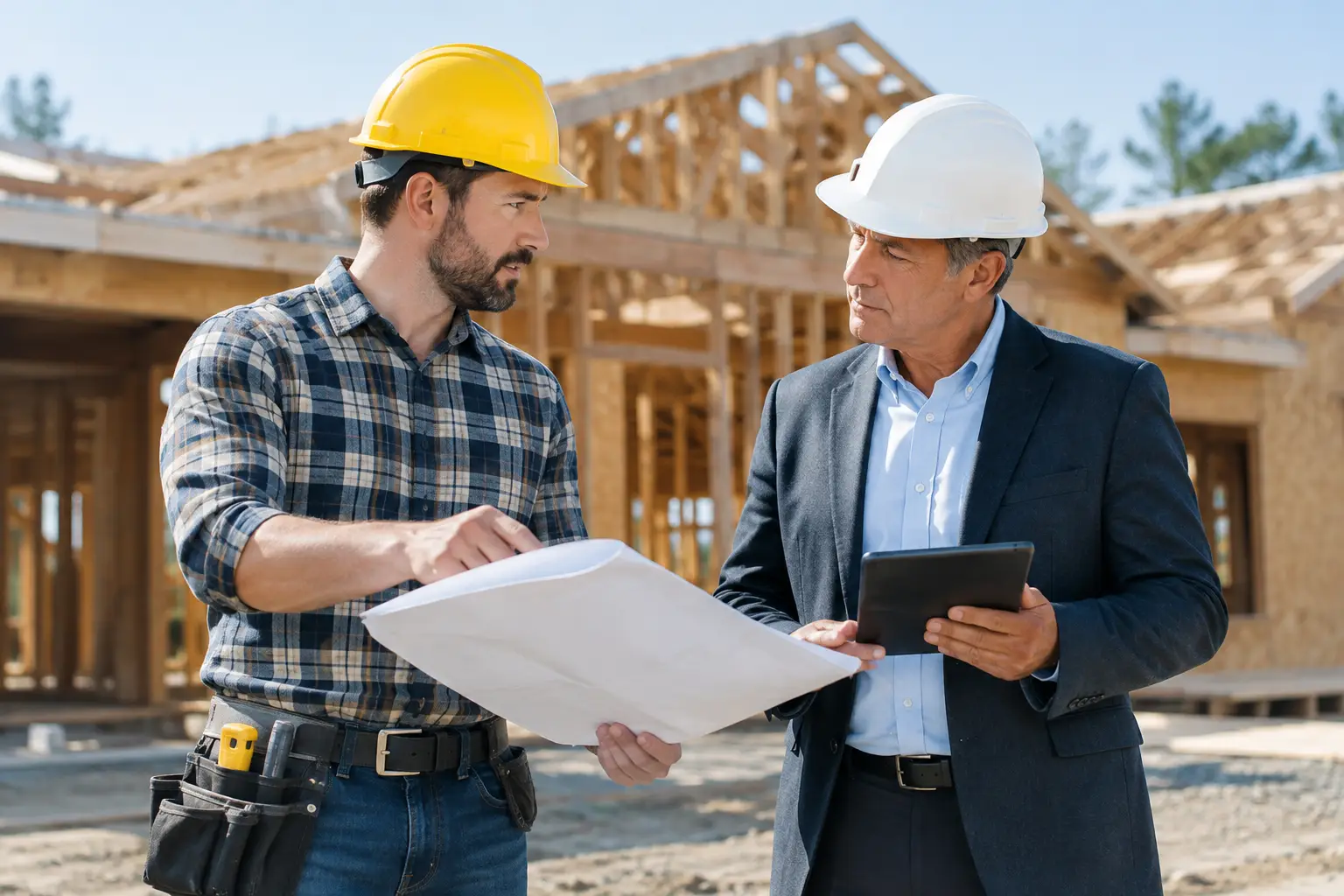
The simplest distinction is this: a builder is often identified by the type of project being built, while a general contractor is identified by the responsibility of managing the project.
In practice, there is substantial overlap. A custom home builder may act as the general contractor for the entire build. A general contractor may build additions and new homes, making them a builder in the ordinary sense. This is common with experienced residential construction companies.
The more useful question is not, “Are you a builder or a general contractor?” Ask, “Who is responsible for the complete project, and what exactly does that responsibility include?”
For homeowners in Southeast Louisiana, the answer should address the local realities of construction. Depending on the location and project, that may include permit requirements, flood-related considerations, wind resistance requirements, drainage, elevation, historic district review, or coordination with parish and municipal inspections. A contractor who manages projects locally should be prepared to discuss these issues early, not after work has begun.
Which Professional Fits Your Project?
A builder may be the natural fit when you are constructing a new home, particularly if you want one company involved from early budgeting through completion. Look for someone who can explain how they handle preconstruction planning, site conditions, selections, allowances, schedule expectations, and changes made after construction starts.
A general contractor is often the better-described role for a kitchen remodel, bathroom renovation, whole-home update, or addition. These projects require careful coordination because the work is happening around an existing structure. Older homes can reveal hidden damage, outdated wiring, plumbing concerns, or framing that differs from the original plans. An experienced contractor knows to allow for investigation, communicate discoveries promptly, and avoid promising a fixed outcome before conditions are understood.
For a larger project, you may want a company that does both. A contractor with new construction and renovation experience can bring the planning discipline of a builder to a remodel while also understanding the sequencing and problem-solving required in an existing home.
Questions That Matter More Than the Title
Before hiring anyone, spend less time comparing labels and more time comparing how each company plans to manage your work. A productive conversation should cover the project in plain language.
Ask who will be your day-to-day point of contact and how often you can expect updates. Find out whether the contractor will obtain permits, schedule inspections, and coordinate subcontractors. Ask how change orders are handled if you alter the scope or if concealed conditions are uncovered.
You should also discuss the estimate itself. A low initial number is not always the better value if it leaves out necessary work or relies heavily on vague allowances. Make sure you understand what is included, what is excluded, and which selections may affect the final cost. Cabinets, appliances, plumbing fixtures, tile, lighting, and site work can all vary significantly in price.
It is reasonable to ask about insurance, licensing, relevant project experience, and the anticipated schedule. No contractor can control weather, inspection timing, product availability, or every surprise inside an older home. They should, however, be able to explain how they plan for those variables and how they will communicate when something changes.
Why Project Management Protects the Homeowner
Construction management is often invisible when it is done well. Materials arrive before they are needed. Trades are scheduled in a workable order. Questions are resolved before they become expensive rework. The jobsite stays organized enough for work to continue safely and efficiently.
When management is weak, homeowners feel it quickly. The project may sit waiting for a trade. Finished surfaces can be damaged because work was performed out of sequence. Small decisions pile up until they delay the schedule. Costs become harder to follow because no one has clearly documented changes.
A contractor should not pretend that remodeling is free of surprises. The better approach is to identify risks during planning, build reasonable contingencies into the conversation, and address problems directly when they arise. Honest communication is especially important on renovations, where no one can see every condition behind finished walls before demolition begins.
Choosing a Contractor for Southeast Louisiana
Whether a company calls itself a builder, a general contractor, or both, choose based on fit and accountability. You want someone who understands your type of project, listens to your priorities, provides a clear scope, and has a practical plan for getting the work completed.
For homeowners planning a renovation, addition, or new home in St. Tammany, Orleans, or Jefferson Parish, Triple Star Construction & Consultation can help evaluate the scope before construction begins. A detailed conversation early in the process can prevent avoidable budget and scheduling problems later.
The right contractor will not pressure you to rush past unanswered questions. Take the time to review the scope, discuss the decisions ahead, and choose a team you can communicate with comfortably for the duration of the project.


Comments