Custom Home Building Guide for Louisiana Owners

A custom home should fit the way you actually live, not just look good in a set of plans. That means thinking beyond finishes and square footage from the start. This custom home building guide walks Southeast Louisiana homeowners through the decisions that have the greatest effect on budget, schedule, quality, and long-term comfort.
Building a home is a major investment, and there are few shortcuts that do not show up later as added cost, delays, or compromises. A clear plan, realistic expectations, and an experienced contractor can make the process far more manageable.
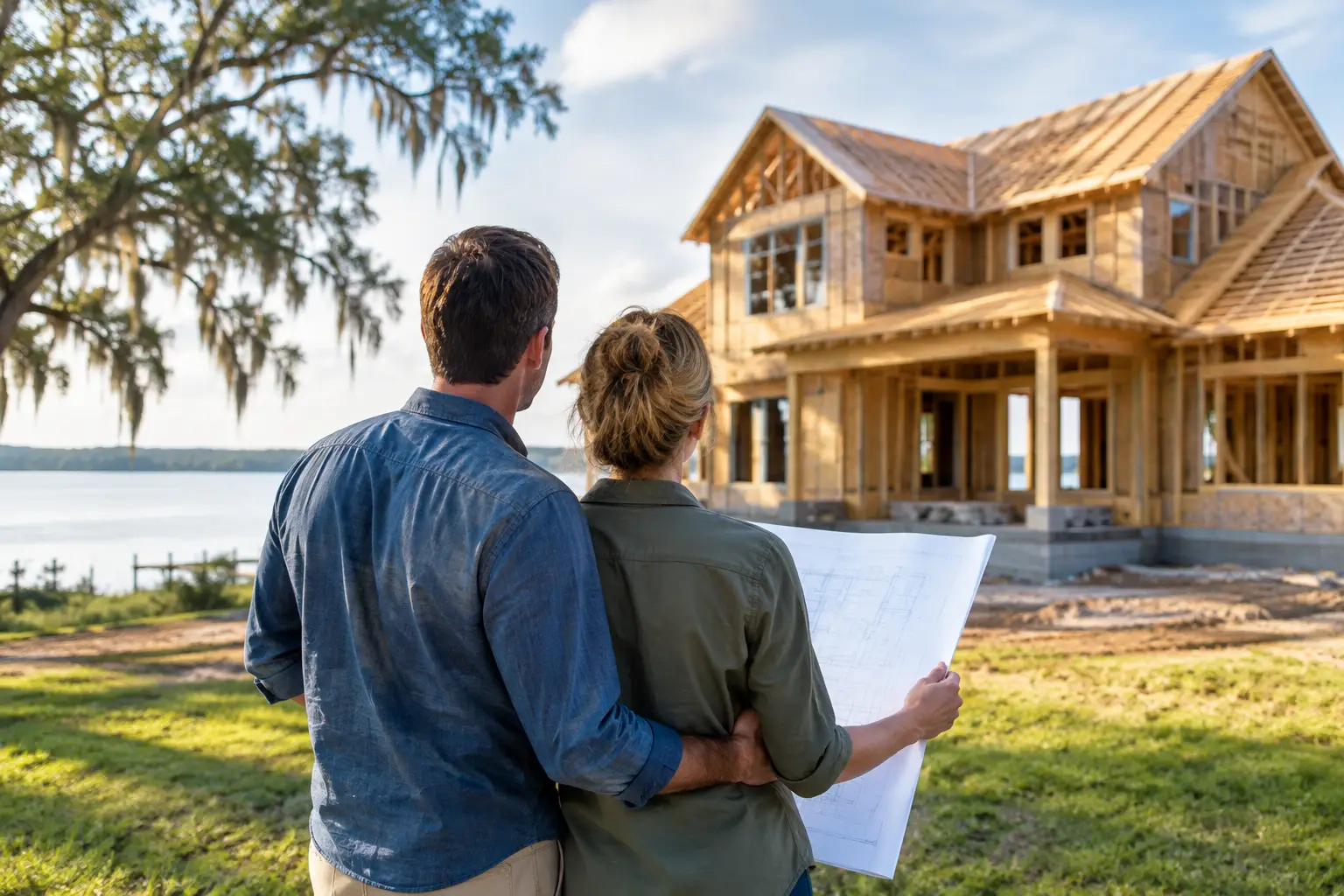
Start With the Lot, Not the Floor Plan
It is easy to fall in love with a plan before understanding what a property can support. In Southeast Louisiana, the lot often drives more of the project than homeowners expect. Flood zones, drainage, soil conditions, required elevations, utility access, setbacks, and parish regulations all need to be considered before a design is finalized.
A lot that appears less expensive can become costly if it needs significant fill, a long utility run, a specialized foundation, drainage improvements, or extensive site clearing. Properties near water, in lower-lying areas, or within stricter municipal jurisdictions may have additional requirements that affect both construction methods and insurance considerations.
Before purchasing a lot or committing to a plan, have the site reviewed. A contractor can help identify practical concerns early, while a surveyor, engineer, or other qualified professional may be needed depending on the property. It is much easier to adjust a concept on paper than to solve site problems after construction has begun.
Set a Budget That Includes More Than the House
The construction price is only one part of the total project budget. Homeowners should account for land, design and engineering, permits, site work, utility connections, driveway work, landscaping, insurance, and financing costs. Furniture, window coverings, appliances, and outdoor improvements can also add up quickly after move-in.
The best budget is built around priorities. Decide early where spending matters most to your family. For some homeowners, that may be a larger kitchen, durable flooring, better windows, or a covered outdoor area. Others may value a home office, additional storage, a generator connection, or an accessible first-floor layout.
It also helps to carry a contingency fund. Even a well-planned custom build can uncover conditions that were not visible at the beginning, especially during site preparation. A reasonable reserve gives you room to address an issue without making rushed decisions elsewhere in the project.
Be cautious when comparing estimates that appear dramatically different. One number may include allowances, site work, permits, or finish selections that another number leaves out. An honest estimate should make clear what is included, what is excluded, and which items are still subject to selection or final pricing.
Build the Plan Around Daily Life
A custom home is an opportunity to solve the frustrations of your current home. Think about how the household moves through a normal weekday, not just how the house will look when guests visit.
Consider where groceries enter the house, whether the laundry room is convenient, how much pantry storage you need, and where backpacks, tools, pet supplies, and seasonal items will go. Bedroom placement matters too. A primary suite separated from children’s rooms may suit one family, while another may prefer everyone closer together.
In Louisiana’s climate, outdoor living deserves the same attention as interior space. Covered patios, screened areas, outdoor kitchens, and proper transitions from the yard can make the home more useful for much of the year. The details matter: shade direction, ceiling fans, drainage away from the slab, and durable materials can have more value than simply making the patio larger.
Avoid Designing for Square Footage Alone
More square footage is not always better square footage. Long hallways, oversized formal rooms, and poorly located closets add cost without necessarily improving how a home functions. A thoughtful plan can feel more spacious and useful than a larger home with inefficient circulation.
Ask whether each room will earn its place in the budget. If a space serves multiple purposes, such as a guest room that also works as an office, it may provide better value than a room used only a few times a year.
Choose a Builder Before Finalizing Every Detail
Many homeowners assume they need complete plans and every finish selected before speaking with a contractor. While a detailed plan is helpful, involving a builder during planning can prevent expensive surprises.
A general contractor brings practical construction input to the conversation. They can review whether the design fits the budget, point out details that may be difficult to build or maintain, and help coordinate the path from drawings to permits to construction. This is especially useful when plans include custom structural features, elevated construction, complex rooflines, or extensive exterior work.
When interviewing builders, ask how they manage schedules, subcontractors, change orders, inspections, material lead times, and communication. Look for clear answers rather than broad promises. You want to know who will be responsible on site, how questions will be handled, and how you will be notified if an issue affects cost or timing.
A licensed and insured contractor should also be willing to explain the contract in plain language. The contract should identify the scope of work, payment schedule, allowances, change-order process, expected schedule, and responsibilities for permits and insurance. If something is unclear before signing, get it clarified in writing.
Understand Allowances and Change Orders
Allowances are common in custom construction because some selections are not made when the initial contract is prepared. Cabinets, countertops, lighting, plumbing fixtures, tile, appliances, and flooring may be assigned an allowance based on a planned budget range.
An allowance is not a fixed final price. If you choose products that cost more than the allowance, the difference is added to the project. If selections come in below the allowance, the contract should explain how that savings is handled. Reviewing allowances carefully keeps the budget grounded in the level of finish you actually want.
Change orders are also a normal part of construction, but they should not be casual conversations. A change might involve moving a wall, adding electrical outlets, changing materials, or modifying a design detail after work is underway. Each change should be documented with the cost and any schedule impact before the work proceeds whenever possible.
The goal is not to avoid every change. Sometimes a better solution becomes apparent once framing or mechanical work is visible. The goal is to make informed choices and keep everyone working from the same information.
Expect a Sequence, Not a Straight Line
A new home is built in stages: site preparation, foundation work, framing, roofing, mechanical rough-ins, insulation, drywall, finishes, and final inspections. Some phases move quickly, while others depend on inspections, weather, subcontractor availability, or materials.
Southeast Louisiana weather deserves special consideration. Heavy rain can affect site access, concrete work, excavation, exterior finishes, and schedules. Hurricane season can also affect material availability and labor across the region. A dependable contractor plans for these realities, but no one can promise that weather will never cause an adjustment.
Homeowners can help keep the project moving by making selections on time. Cabinets, windows, exterior doors, specialty tile, lighting, and appliances may have lead times that affect later work. Waiting until the last minute to choose a product can turn a small decision into a schedule issue.
Stay Involved Without Trying to Run the Job
Regular communication is one of the most valuable parts of a well-managed build. Ask for updates, attend scheduled walkthroughs, and raise concerns early. It is reasonable to want to understand progress and verify that the work reflects the agreed plan.
At the same time, construction requires coordination. Directing subcontractors independently or making field changes without going through the contractor can create confusion and added cost. Keep questions and decisions organized through the project manager or builder so there is one clear record of what has been approved.
Before the final walkthrough, review the plans, selection sheets, and contract together. Small items such as paint touch-ups, hardware adjustments, or trim corrections are best documented on a punch list. A careful final review protects both the homeowner and the contractor.
A home built well begins with good decisions long before the first concrete is poured. If you are planning a new home in St. Tammany, Orleans, or Jefferson Parish, Triple Star Construction & Consultation can help you evaluate the practical side of the project, ask the right questions, and build a plan that makes sense for your property and budget.

Comments