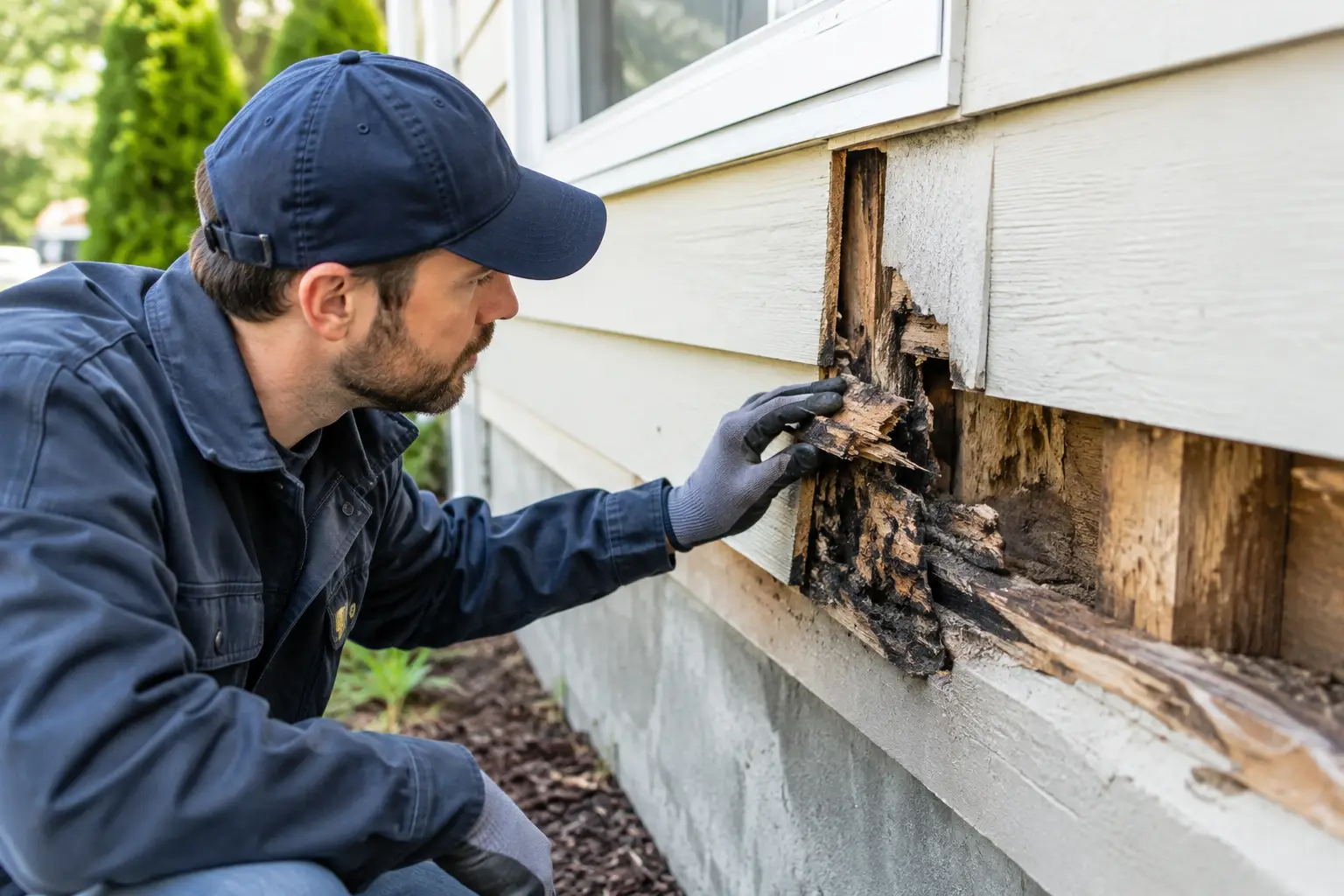
When to Call a Wood Rot Repair Contractor

A soft window sill, peeling paint around a door frame, or a porch board that gives slightly underfoot can look like a small maintenance issue. In Southeast Louisiana, those signs often point to moisture getting where it does not belong. A qualified wood rot repair contractor can determine how far the damage extends, correct the source of the moisture, and rebuild the affected area so the same problem is less likely to return.
Wood rot is not always dramatic at first. It can develop behind trim, beneath siding, around rooflines, or under exterior doors for years before a homeowner notices it. The visible damage may be limited, but the condition of the framing, sheathing, flashing, and nearby finishes determines whether the repair is truly small or part of a larger exterior restoration.
What Wood Rot Means for a Louisiana Home
Wood rot develops when wood stays damp long enough for fungi to break down its fibers. Our heat, humidity, heavy rain, wind-driven storms, and frequent moisture exposure create favorable conditions when a home has a weak point in its exterior envelope.
That weak point may be a failed caulk joint, worn paint, missing flashing, a leaking gutter, an improperly installed window, or a roof leak. Wood near the ground is also vulnerable when drainage keeps the area wet. On older homes, repeated repairs over the years can leave hidden gaps behind trim or siding.
There are two common forms of decay. Brown rot leaves wood dry, crumbly, and cracked into cube-like pieces. White rot tends to leave wood softer and stringy. Homeowners do not need to identify the species to know they need help, but a contractor should assess the affected materials rather than simply cover the damaged spot with new trim.
Rot can also attract termites and other wood-destroying insects because damp, weakened wood is easier for them to access. Rot itself does not prove there is an insect problem, and insect damage does not always mean rot is present. Still, when either condition is found, it is wise to inspect the surrounding structure carefully.
Signs You Should Call a Wood Rot Repair Contractor
Some exterior maintenance can be handled with cleaning, caulking, and repainting. Once wood has lost its strength, however, it needs more than cosmetic work. Call for an evaluation if you notice soft or spongy wood, boards that crumble when pressed, recurring paint failure, dark staining around windows or doors, or a musty odor near an exterior wall.
Other warning signs include gaps opening at trim joints, sagging fascia, loose porch railings, deteriorated columns, or flooring that feels soft near an exterior entry. Water stains on an interior ceiling or wall can also signal a roof or window leak that has already affected hidden wood components.
A screwdriver test is sometimes used to check suspicious wood. If the tool sinks in easily where sound wood should be firm, decay may be present. Be careful not to create more openings in a finished surface or assume the test tells the whole story. Damage often travels farther than the softest visible location.
Why a Surface Patch Often Fails
It is tempting to fill a damaged board with wood filler, install a cap over deteriorated trim, or paint over the area and move on. Those approaches may improve the appearance for a short time, but they do not address the reason the wood became wet.
A dependable repair has two parts: removing and replacing unsound material, then identifying and correcting the moisture path. For example, replacing rotten fascia without repairing a leaking roof edge or overflowing gutter is likely to lead to the same repair again. Replacing window trim without addressing failed flashing, an installation issue, or a siding gap can create the same result.
The right scope depends on the location. A small section of decorative trim may be a straightforward replacement. Rot at a window opening can require removal of trim, siding, sheathing, insulation, and portions of framing to see the full condition. A porch repair may involve decking, joists, posts, beams, connections, and footings. Good contractors explain what they can see, what may be concealed, and how they will handle discoveries made after materials are opened.
What a Proper Wood Rot Repair Should Include
The first step is a careful inspection. This means looking beyond the face of the damaged board and tracing likely water entry points above and around it. A contractor may check roof transitions, gutters, siding joints, windows, doors, masonry connections, exterior penetrations, and grading near the foundation.
Next comes selective demolition. Damaged trim, siding, or finishes are removed carefully enough to expose the affected area without disturbing sound materials unnecessarily. Any compromised framing or sheathing should be evaluated before new exterior finishes go back in place.
Replacement materials matter, but they are not the entire answer. Pressure-treated lumber can be appropriate in locations exposed to weather or near the ground. PVC trim can work well for certain nonstructural exterior details because it does not rot, though it expands and contracts differently than wood and must be installed accordingly. Fiber cement, composite materials, and properly primed wood each have a place depending on the home’s design, budget, and repair location.
Before the finish materials are installed, the water-management details need to be right. That may include flashing, housewrap repairs, properly lapped materials, sealants at appropriate joints, drip edges, and corrected drainage. Then the repaired area can be finished to match the home as closely as practical, including trim profiles, siding, paint, and exterior details.
Questions to Ask Before You Hire a Contractor
When comparing a wood rot repair contractor, look beyond the lowest number on an estimate. The estimate should describe the known work clearly and distinguish between visible repairs and concealed conditions that cannot be confirmed until the area is opened.
Ask how the contractor plans to identify the moisture source. Ask whether the repair includes flashing, caulking, paint, gutter work, or other details needed to protect the new materials. If structural framing, porch supports, or major exterior openings are involved, ask who will manage the work and how changes will be communicated.
You should also confirm that the contractor is properly licensed and insured for the scope of work. In Louisiana, homeowners should be cautious about anyone who proposes a fast exterior patch with little inspection, requests an unusually large payment before work begins, or cannot explain how the repair will prevent repeat damage.
Clear communication matters just as much as material selection. Rot repairs sometimes uncover more damage than was visible at the initial visit. That does not automatically mean the contractor missed something. It does mean you deserve prompt information, photographs when helpful, a clear explanation of options, and approval of any meaningful change in cost or scope before work proceeds.
Budgeting for Rot Repairs
The cost of wood rot repair varies widely because the visible board is rarely the whole story. Access, height, the type of exterior finish, matching existing materials, structural involvement, and the extent of moisture damage all affect the price.
A limited trim repair may be manageable, while a deteriorated bay window, balcony, roof edge, or porch structure can become a more involved project. It is usually less expensive to repair localized damage early than to wait until water has reached framing, interior finishes, or multiple sides of an opening.
For a larger renovation, it can make sense to address related exterior deficiencies at the same time. If siding is being removed to repair rot around several windows, homeowners may choose to update flashing details, replace aging trim, or complete overdue painting in the same work phase. That decision depends on budget and the condition of the surrounding materials, but coordinated work can avoid repeating setup, demolition, and finish costs later.
Protecting the Repair After the Work Is Done
Once repairs are complete, regular exterior maintenance helps protect the investment. Keep gutters and downspouts flowing away from the house, inspect caulk and paint at least once a year, and pay attention after major storms. Trim back vegetation that holds moisture against siding or blocks airflow around porch areas.
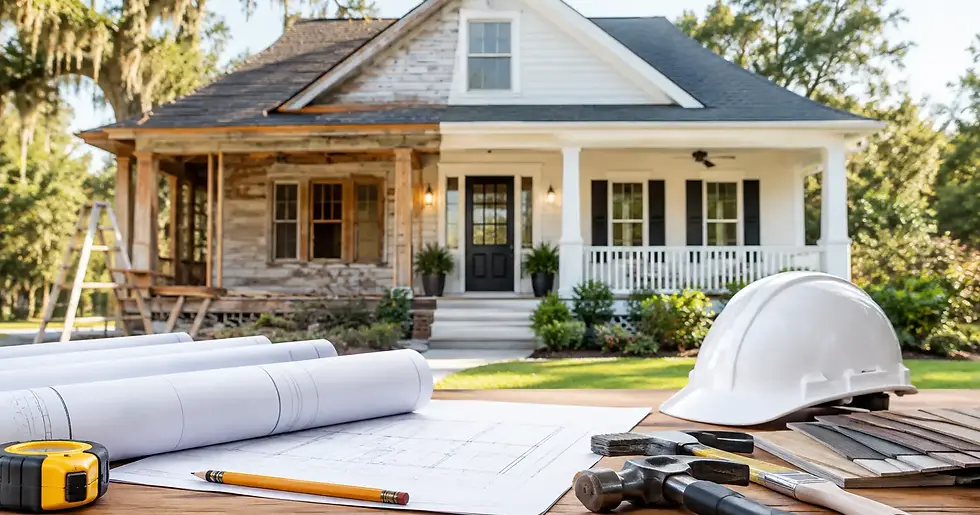
If you are planning a renovation, addition, or exterior repair in St. Tammany, Orleans, or Jefferson Parish, address suspicious wood early rather than hiding it behind a finish upgrade. Triple Star Construction & Consultation can help homeowners evaluate the affected area, plan a practical repair scope, and coordinate the work with the rest of the project. A careful inspection and an honest conversation at the beginning are often what keep a small soft spot from becoming a larger repair later.


Comments