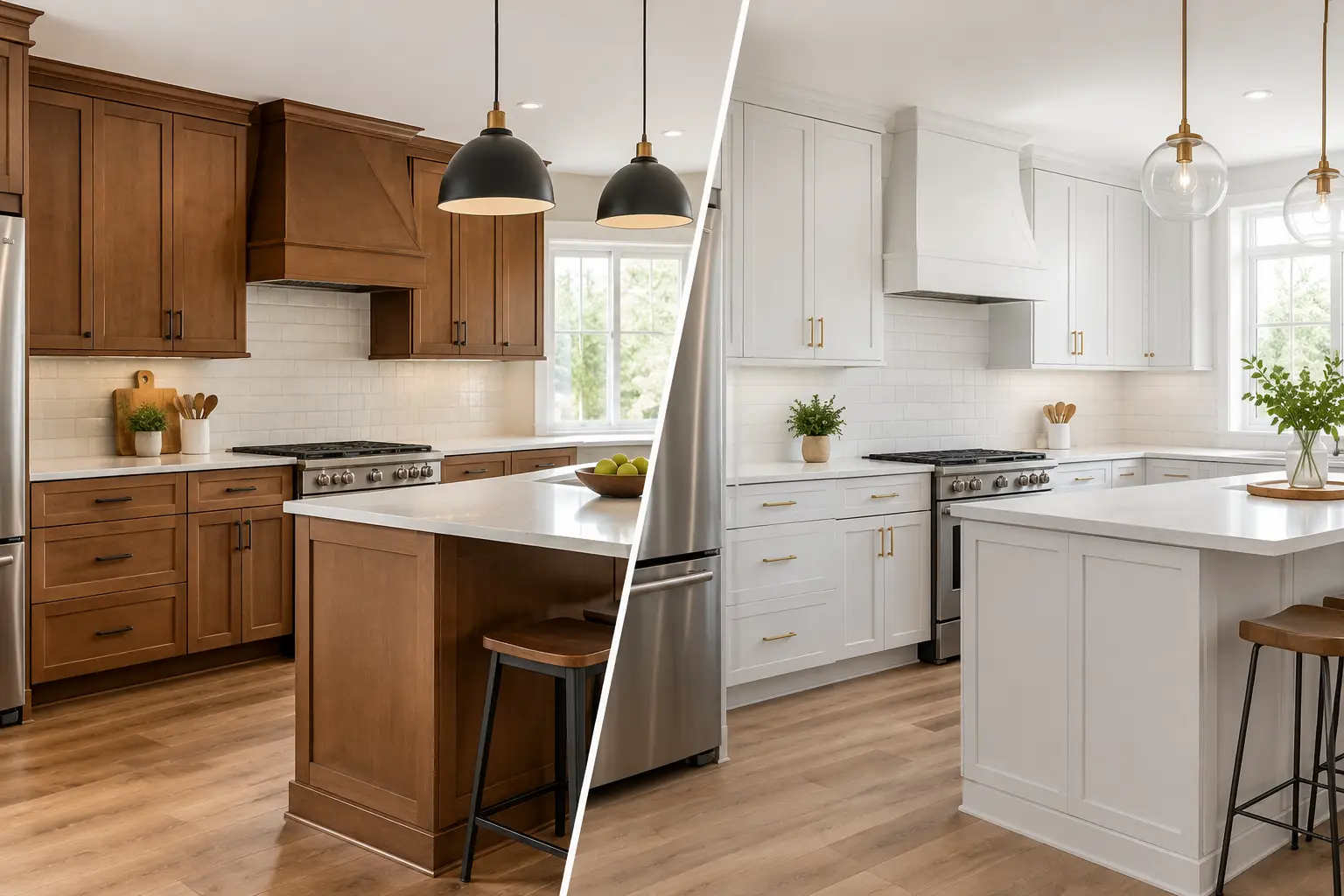
Cabinet Refacing or Replacement for Your Kitchen

A kitchen can look dated long before its cabinets have actually failed. That is why the question of cabinet refacing or replacement deserves more than a quick comparison of price tags. The better choice depends on what is behind the doors, what you want the new kitchen to do, and whether the existing layout still works for your family.
For homeowners in Southeast Louisiana, cabinet condition also has to be viewed in light of humidity, plumbing history, and the age of the home. A clean-looking cabinet box can still have swelling at the sink base, loose joints, or evidence of past water intrusion. On the other hand, a well-built cabinet may be a strong candidate for refacing even if its doors and finish have seen better days.
Cabinet Refacing or Replacement: Start With the Cabinet Boxes
Refacing keeps the existing cabinet boxes in place. The visible exterior surfaces are covered with new material, and new doors, drawer fronts, hardware, and often trim are installed. The result can substantially change the appearance of a kitchen without removing every cabinet.
Replacement means removing the existing cabinets and installing new ones. This gives you the opportunity to change cabinet sizes, rearrange appliances, add storage, improve accessibility, and select a different construction level.
The first question is simple: are the existing cabinet boxes structurally sound? A cabinet box worth refacing should be solid, reasonably level, securely fastened, and free of significant moisture damage. The drawers should operate properly or be repairable. Minor cosmetic wear is not a concern. Soft particleboard near the dishwasher or sink, deteriorated bottoms, broken face frames, and cabinets that have pulled away from the wall are more serious issues.
Older homes in New Orleans, Slidell, Mandeville, and Covington can present another consideration: walls and floors may not be perfectly straight or level. Existing cabinets may have been shimmed and fitted to those conditions over many years. Refacing can work well when the boxes are stable, but a full replacement may provide a better opportunity to correct installation issues and plan around uneven conditions.
When Refacing Makes Good Sense
Refacing is often a practical choice when you like the current layout and the cabinet boxes are in good condition. If the refrigerator, range, sink, and work areas already function well, there may be little value in the expense and disruption of a complete cabinet replacement.
It can be especially effective for a kitchen that needs a visual update rather than a structural overhaul. Changing raised-panel doors to a simpler Shaker style, replacing dated hardware, adding crown molding, and selecting a new finish can make the room feel entirely different. New countertops, a backsplash, lighting, and paint can build on that change.
Refacing can also reduce the amount of demolition in the home. Fewer cabinets are removed, which can mean less debris and a shorter portion of the project spent without a working kitchen. That does not mean it is a minor job. Accurate measurements, door alignment, matching materials, and careful trim work still matter. Poorly installed refacing is noticeable at corners, ends, and around appliances.
Homeowners should also understand the limits. Refacing does not create deeper cabinets, move the sink, add a pantry where none exists, or solve an awkward traffic pattern. Some storage upgrades may be possible, such as roll-out trays or updated drawer hardware, but the existing cabinet footprint remains largely the same.
When Cabinet Replacement Is Worth the Investment
Replacement is usually the better decision when the kitchen layout is part of the problem. Many older kitchens have limited counter space, narrow passages, undersized drawers, or appliance locations that make daily use frustrating. New cabinets allow the plan to be built around how you actually cook, store items, and gather in the space.
Replacement also makes sense when cabinets have suffered water damage. The sink base is one of the most common trouble spots. A slow leak from a supply line, disposal, dishwasher connection, or drain can compromise cabinet material long before it becomes obvious from across the room. Covering damaged boxes with new exterior finishes does not correct the underlying problem.
A full replacement is generally the right path if you are relocating plumbing, moving walls, changing the size of an island, or replacing flooring throughout the kitchen. These projects involve coordinated work among carpenters, plumbers, electricians, countertop installers, and other trades. Starting with new cabinetry gives the project team clearer dimensions and fewer compromises.
It also opens the door to better storage planning. Deep drawers for pots, pull-out trash storage, pantry cabinets, corner solutions, appliance garages, and dedicated spaces for small appliances can improve the way a kitchen works every day. Those features are difficult to add meaningfully when the original cabinet configuration is restrictive.
Compare the Whole Project Cost, Not Just Cabinets
Refacing is commonly less expensive than replacing cabinets, but the difference varies widely. Door style, finish, hardware, cabinet modifications, trim, and the condition of the existing boxes all affect the final cost. A high-end refacing package with extensive changes may be closer to the cost of entry-level new cabinets than homeowners expect.
Replacement has more moving parts. Beyond the new cabinets themselves, the budget may include demolition, disposal, wall repairs, electrical changes, plumbing changes, flooring repairs, painting, countertops, and backsplash work. If appliances are changing sizes or locations, those decisions should be made early. A refrigerator that is wider or deeper than the existing opening can affect cabinet layout, circulation, and trim details.
The least expensive option is not always the best value. Refacing a kitchen that needs structural repairs or a better layout can lead to regret within a few years. Likewise, replacing solid cabinets simply because the finish is dated may spend money that could have been used for countertops, lighting, or storage improvements.
A realistic project budget should include a contingency for what may be found once work begins, particularly in older homes. Water damage, hidden wiring issues, wall repairs, and uneven floors are not unusual in renovation work. Clear planning helps reduce surprises, but an experienced contractor should discuss the possible unknowns before demolition starts.
Consider Timing and Daily Disruption
Refacing can reduce disruption, but it does not eliminate it. There will still be dust, workers in the kitchen, temporary loss of cabinet access, and coordination with countertop or backsplash work. Plan for where dishes, food, and small appliances will go during construction.
A replacement project generally takes longer because it includes removal, installation, and potentially more trade work. Custom or semi-custom cabinet lead times can also affect the schedule. Countertops are typically measured after the base cabinets are installed, so there is often a waiting period before final countertop installation.
The best time to replace cabinets is often during a larger kitchen renovation, when walls, flooring, plumbing, and electrical systems are already being addressed. If the scope is primarily cosmetic and the layout works, refacing may keep the project more focused.
How to Make the Decision With Confidence
Before choosing a direction, stand in your kitchen and identify what frustrates you. Is it the finish, the lack of storage, the poor layout, damaged cabinet boxes, or all of the above? That distinction matters more than trends or a single online price estimate.
It is also helpful to have the existing cabinets evaluated in person. A contractor can inspect the boxes, check for moisture damage, assess how the cabinets are attached, and talk through whether planned changes require a full replacement. Photos rarely show the full story, especially around sinks, corners, and areas hidden by appliances.
For homeowners planning a kitchen remodel in Southeast Louisiana, Triple Star Construction & Consultation can help evaluate the existing space before you commit to a cabinet direction. A practical conversation early in planning can protect the budget and keep the finished kitchen aligned with how you want to live in it.
The right choice is the one that addresses the real condition of your kitchen and supports the changes you intend to make. If solid cabinets and a workable layout are already there, refacing can be a smart, attractive investment. If the kitchen needs better function, repairs, or a new layout, replacement gives you the foundation to do the job properly.


Comments